

A rural home can come with two responsibilities that do not appear on a municipal utility bill: maintaining a private water supply and caring for an onsite wastewater system. Before buying in the Southern Tier, find out what serves the house, where the components are, and what evidence describes their condition.
A running faucet and a flushing toilet are not enough. Private well owners are responsible for water testing; septic owners are responsible for maintenance and repairs. Use the inspection period to gather records, choose evaluations, and leave time for answers.
- Request records before selecting tests.
- Confirm access and current household use.
- Keep water results separate from septic findings.
What records can the seller provide?
Ask for well construction information, previous laboratory reports, and service records for pumps or treatment equipment. For the septic system, request permits, installation drawings, pumping receipts, and repair history. EPA recommends reviewing design and maintenance records as part of septic inspection. The local permitting authority may have records the seller cannot locate.
Check dates rather than accepting a stack of paperwork as proof of current condition. An older water result describes that sample, not today's supply. A pumping receipt documents service, not the condition of every buried component.
Can the systems be located and accessed?
Have the seller identify the wellhead, treatment equipment, septic tank access, and drainfield. Ask which areas must be accessible for the agreed evaluation. Arrange permission and access ahead of time; do not open tanks yourself.
Tell the evaluator whether the home is occupied, how recently the tank was pumped, and whether there have been backups, drainage problems, or long vacancies. Ask how recent use and weather affect the planned test. A lightly used house may not show the same symptoms as one occupied by your household.
Which water tests answer your questions?
Do not assume that “water testing” means every possible contaminant is included. Ask for the specific tests, sampling location, laboratory arrangements, and expected turnaround. CDC recommends using a state-certified laboratory and consulting the health department about contaminants of local concern.
New York recommends annual bacteria testing, additional periodic testing, and testing after events such as flooding or changes in water appearance. For a purchase, discuss property history and any treatment equipment before selecting tests. GR8 offers water quality testing, but the ordered scope must be confirmed. Chemical results do not establish the well's water yield.
Does a load and dye test certify the septic system?
No. Load and dye testing is a limited evaluation, not full septic certification. Dye can help reveal wastewater reaching the surface, but no visible dye does not prove every underground component is sound or predict remaining service life.
EPA describes broader inspections that may include opening tanks, checking sludge levels, evaluating pumps, and examining the distribution box and drainfield. Ask what is included, what remains unseen, and whether a septic professional should investigate further. GR8's septic load and dye service should not be mistaken for that broader scope or a warranty.
What needs resolution before closing?
Build time into your purchase schedule for laboratory results, report review, and any specialist follow-up. If results identify a concern, ask the appropriate professional or health department what investigation, correction, and repeat testing are needed. Keep unanswered questions visible rather than treating an incomplete evaluation as reassurance.
Before taking ownership, obtain maintenance instructions and records. Establish a testing and service plan, and learn where the drainfield is so future parking or construction does not damage it.
Discuss the property before booking
Call or text GR8 Home Inspections at (607) 222-2256 to discuss records, access, and appropriate testing for your purchase.
Schedule an inspectionFurther reading & useful resources
RELATED POSTS.
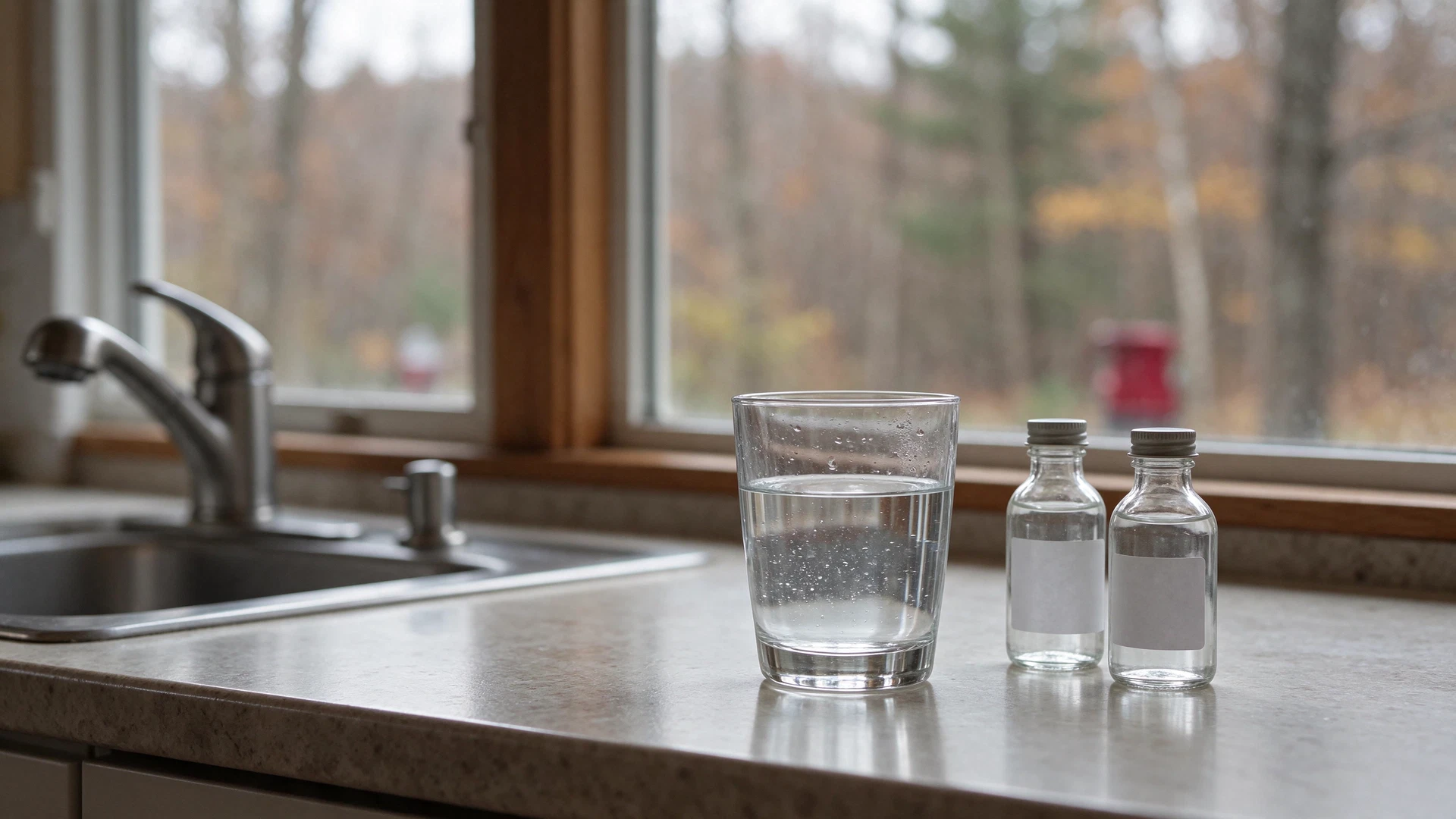
Private Well Water Testing in Vestal: A Homeowner’s Yearly Checklist
Set a yearly testing reminder, understand the recommended baseline, and know which changes call for attention before the next scheduled check.
Read the article4 min read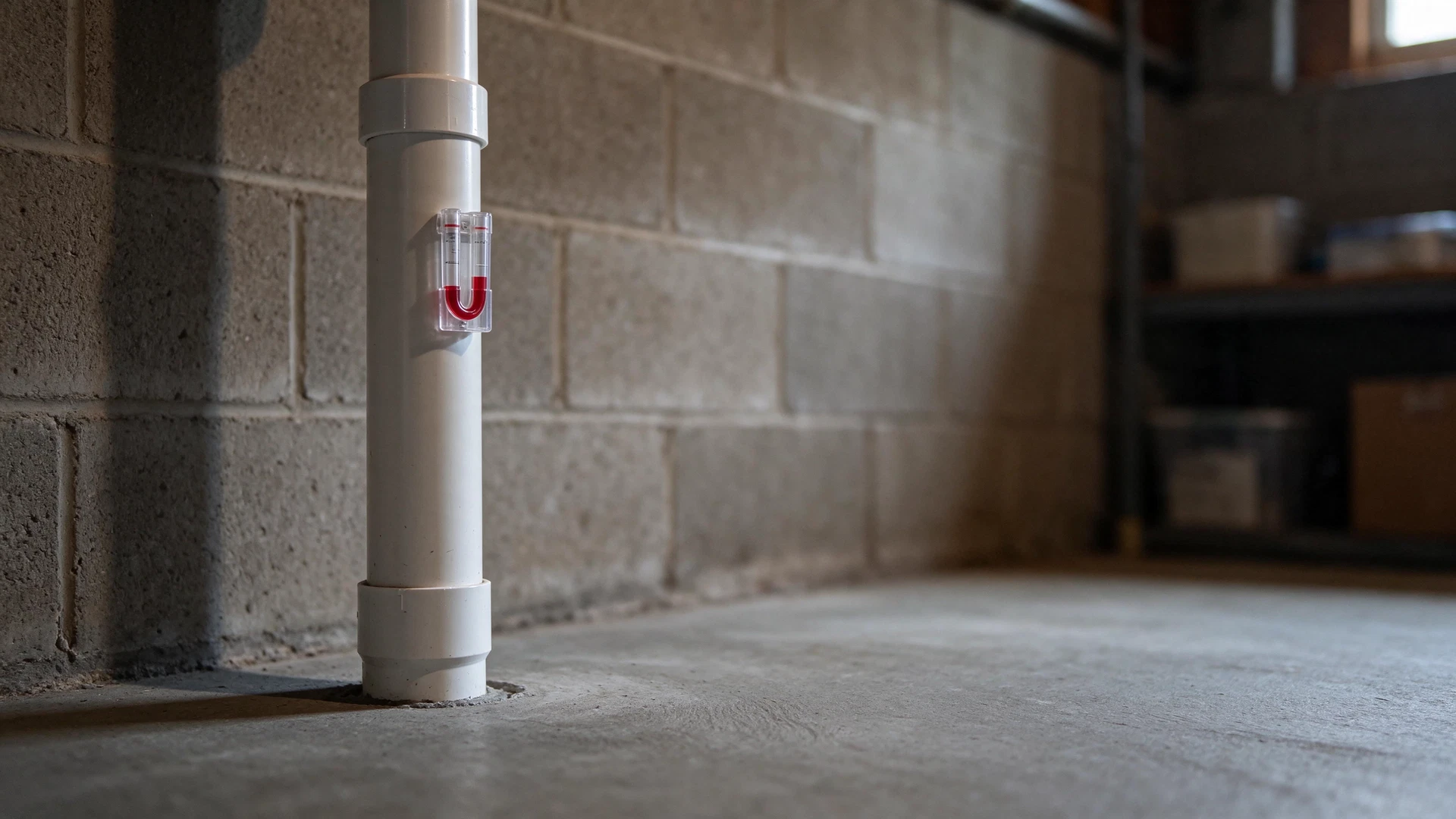
Radon Mitigation in Endicott: What to Check After Installation
Learn what your system indicator can tell you, when to verify radon reduction, and which records to keep after installation.
Read the article4 min read