
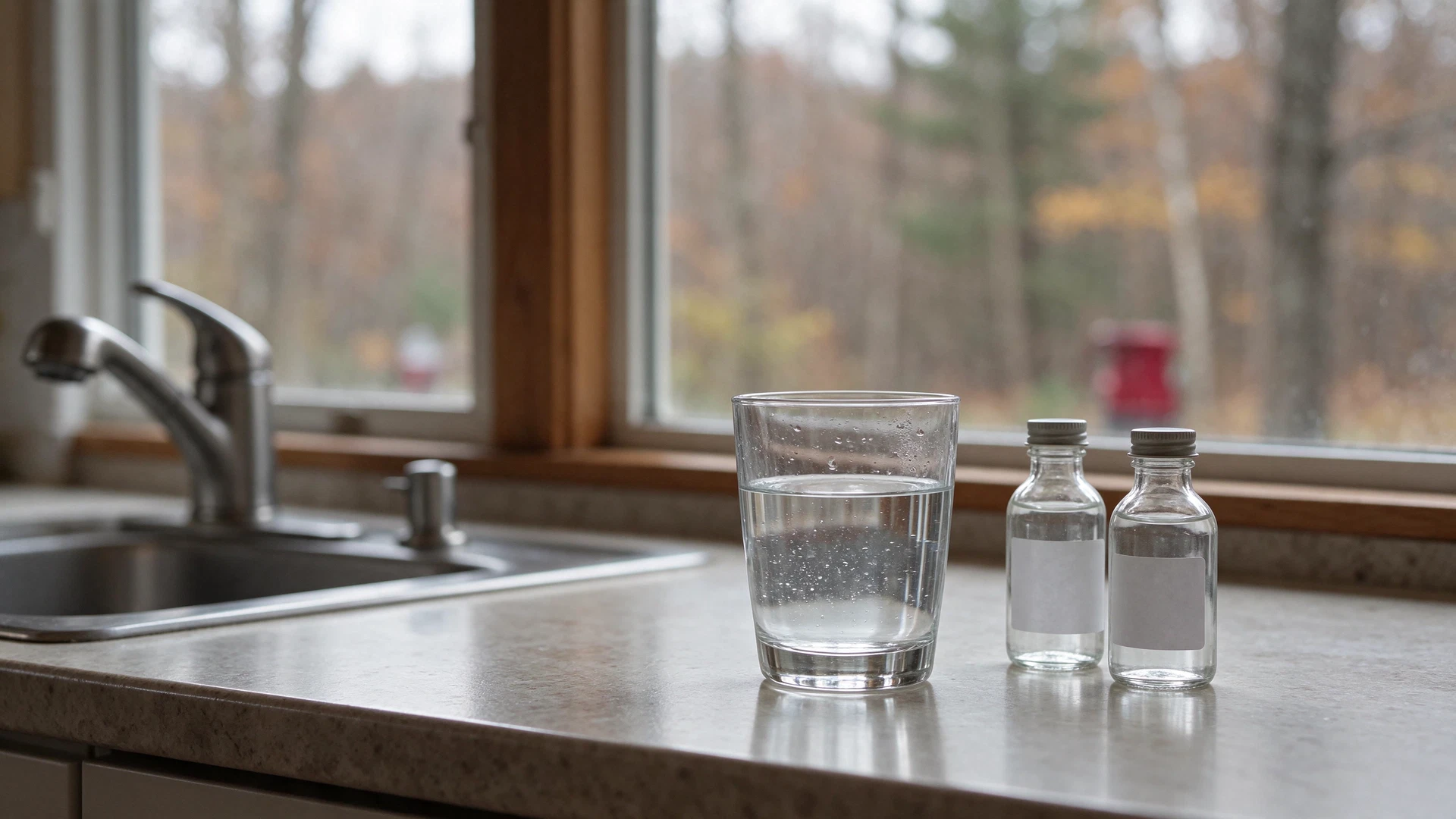
Private Well Water Testing in Vestal: A Homeowner’s Yearly Checklist
Set a yearly testing reminder, understand the recommended baseline, and know which changes call for attention before the next scheduled check.
Read the article4 min read
Use inspection guidance to ask better questions, understand what needs further evaluation, and keep useful property information long after moving day.
Set a yearly testing reminder, understand the recommended baseline, and know which changes call for attention before the next scheduled check.
Read the article4 min read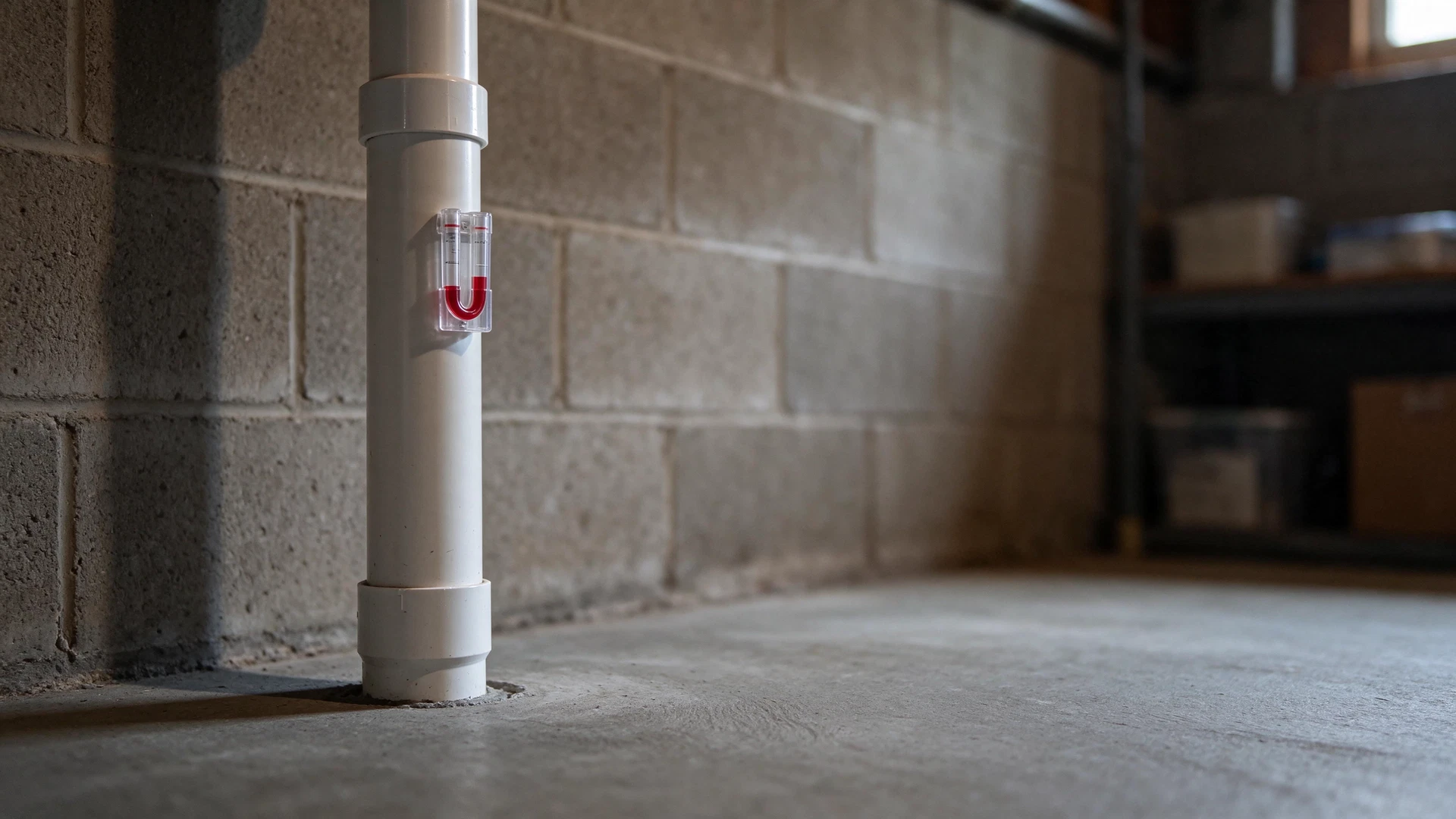
Learn what your system indicator can tell you, when to verify radon reduction, and which records to keep after installation.
Read the article4 min read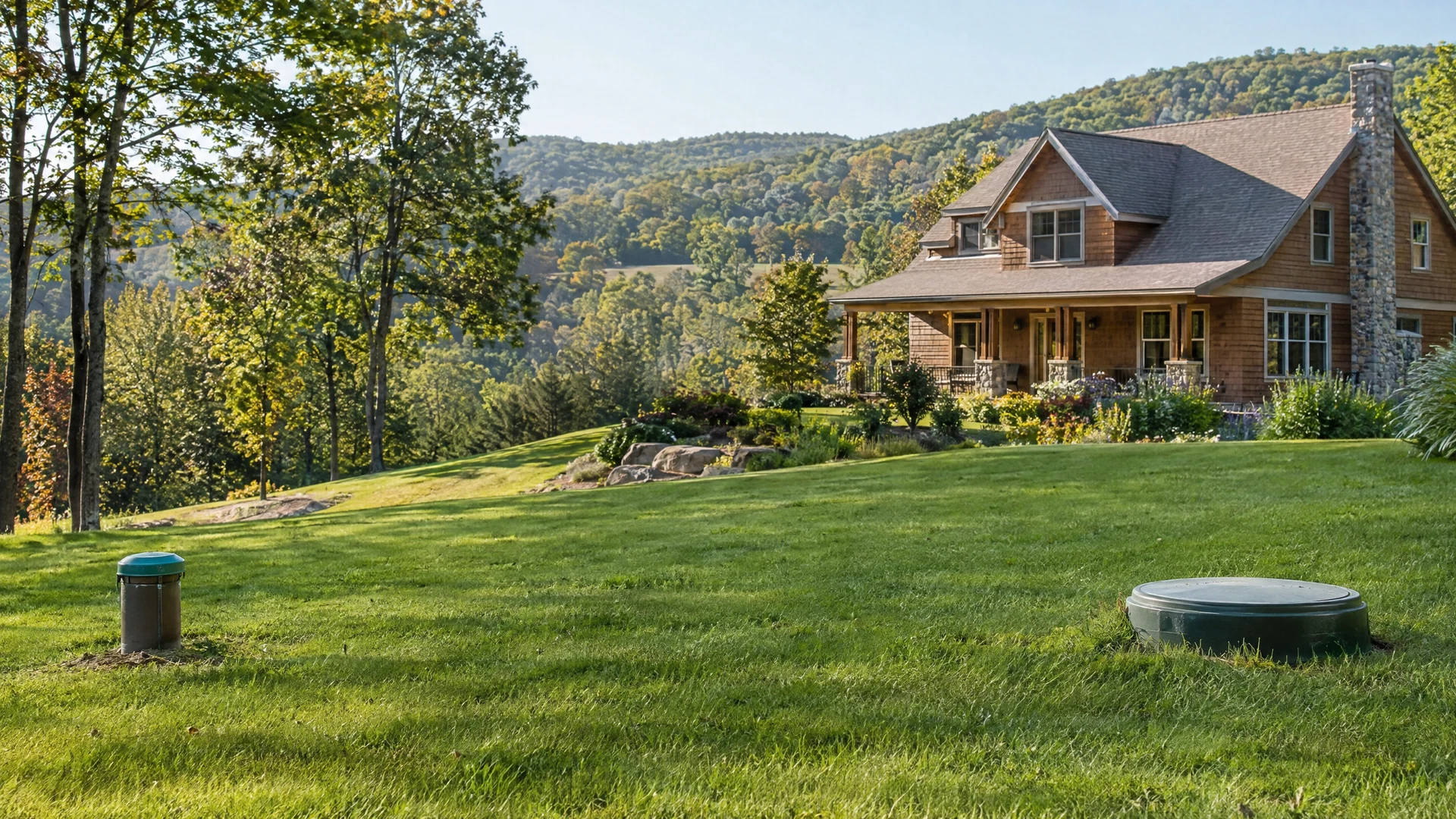
Understand the records, testing limits, and maintenance responsibilities that come with a home served by private water and wastewater systems.
Read the article3 min readA house tour, an inspection appointment, and your first month of ownership raise different questions. Start with the guidance that matches your next decision rather than trying to learn everything at once. This hub helps you turn unfamiliar inspection terms into specific questions about the home in front of you.
Read with a notebook or a shared document nearby. Save the topic, the property location involved, and the question you still need answered. General guidance gives you a starting point; it cannot establish the condition of a particular house or replace an inspection of that property.
Look beyond finishes to the information you will want later. Ask which equipment serves the home, what maintenance records are available, and whether any rooms or storage areas will need to be cleared for inspection. Note the location of a stain, crack, or unfamiliar device rather than assigning a cause from a quick look.
For example, write ‘stain near upstairs window; ask about history’ instead of ‘roof needs replacement.’ Do not open electrical equipment, climb onto roofs, or move belongings to investigate. Your notes should help the inspector understand your concerns, not turn the showing into a do-it-yourself inspection.
Confirm your inspection and response deadlines with your real estate agent or attorney. Then use the articles to prepare questions about access, service scope, and any separate testing you may need. Ask about testing timelines early rather than assuming every result will arrive with the home inspection report.
When findings arrive, read the full report, including photographs and limitations. Identify what needs clarification, what calls for further professional evaluation, and what belongs on a maintenance list. The number of comments alone does not tell you the importance of the findings.
A short, organized list makes a walkthrough or follow-up conversation more productive. Keep questions grouped by room or system, and avoid combining several unrelated concerns into one message.
No. New York's standards address readily accessible, observed conditions and include limitations for concealed areas and environmental hazards. A home inspection is not a warranty, insurance policy, appraisal, or certification of code compliance. EPA guidance also makes clear that testing is the only way to know whether a home has elevated radon levels.
GR8 offers radon testing and mitigation, water quality testing, and septic load and dye testing as distinct services. Confirm what you are ordering and what each result covers. Septic load and dye testing is a limited evaluation, not full septic certification; water testing should identify the agreed testing scope.
Whether you are touring in Binghamton, Vestal, Owego, or a rural Southern Tier setting, start with the property's actual systems. Confirm whether water and wastewater service are public or private; do not infer that from the neighborhood. For a private well or septic system, request available testing and service records. For any home, ask about equipment history and previous repairs rather than relying on assumptions about its age or location.
Save your report with equipment manuals, contractor invoices, and separate test results. Add dates when work is completed, and retain photographs of repairs. This gives you a reference when planning maintenance or explaining a concern to a contractor, while remembering that the inspection describes conditions observed at that time.
GR8 provides a photographed digital inspection report within 24 hours, with HTML and PDF viewing, and continued support for questions about findings. Environmental testing results have their own timelines. Revisit unresolved recommendations after moving instead of filing the report away as a completed purchase document.
Call or text Doug Skinner at (607) 222-2256 to discuss inspection scope, separate testing, or a finding you want to understand.
Schedule an inspection