

Fresh paint and new flooring can make an older Binghamton home inviting. They do not establish what changed behind the walls, beneath the roof, or around the foundation. A renovated kitchen is not documentation of replaced wiring or plumbing. Treat the presentation as one part of the property, not a substitute for its maintenance history.
Age alone does not tell you a home's condition. Each property has its own repairs, alterations, and upkeep. Bring specific questions to the inspection rather than assuming an older house must have problems.
- Ask what was replaced, not just what was remodeled.
- Record visible water clues without guessing their cause.
- Prioritize safety concerns and recommended follow-up before cosmetic preferences.
What did the renovation actually include?
Ask the seller for available invoices, equipment records, warranties, and permits associated with claimed upgrades. Match each document to a specific component and location. A roof repair invoice is different from documentation of a complete replacement; a new electrical panel does not establish that all branch wiring was replaced.
Give those records to your inspector as context. Missing paperwork does not prove poor work, but it leaves questions unanswered. Visual inspection cannot verify every concealed installation.
Follow water from the roof to the ground
From a safe ground-level position, note missing or visibly damaged roofing, overflowing gutters, and downspouts that end beside the foundation. Ask where roof runoff goes and whether the seller has noticed pooling near the house after rain. Do not climb onto the roof to investigate.
New York's inspection standards include readily accessible roofing, flashing, and roof drainage. Ask how the roof was observed and what could not be seen. Snow, access, and safety can limit observations; an inspection does not establish a roof's remaining lifespan.
Use basement clues to ask better questions
Notice staining, peeling finishes, visible cracks, or damp areas, and point them out during the walkthrough. Ask about past water entry, repairs, and any sump system. A dry basement on inspection day does not establish how it behaves during other weather conditions.
Neither a stain nor a crack tells a buyer its cause or significance by appearance alone. Let the inspector explain the observed condition and recommend further evaluation where appropriate. Request clear access to foundation walls and equipment before the visit; stored belongings and finished surfaces can conceal important areas.
Separate mechanical appearance from maintenance
Ask which heating equipment serves the home, when it was serviced, and whether records identify its installation date. Discuss visible plumbing and electrical findings with the inspector, including any areas that were inaccessible. Do not remove electrical covers yourself or operate unfamiliar equipment.
If the seller describes a system as updated, ask whether that means replacement, a repair, or a control change, and what equipment remains from earlier installations.
- Ask which systems could be operated safely and which were not tested.
- Request clarification when a reported concern needs an electrician, plumber, or heating contractor.
Can an inspection settle every question?
No. A home inspection evaluates accessible systems and observed conditions; it cannot expose everything behind finished walls. It is not a warranty, insurance assessment, appraisal, or code-compliance certification. Review limitations alongside findings, especially where access or operating conditions prevented evaluation.
Build your next-step list around reported safety concerns, water entry, and recommendations for specialist evaluation. Keep routine maintenance separate from unresolved questions. GR8 Home Inspections provides an owner-led inspection, photographs, and a digital inspection report within 24 hours, with follow-up support to help explain findings.
Bring your older-home questions
Call or text Doug Skinner at (607) 222-2256 to discuss a Greater Binghamton inspection and the areas you want to understand.
Schedule an inspectionFurther reading & useful resources
RELATED POSTS.

Private Well Water Testing in Vestal: A Homeowner’s Yearly Checklist
Set a yearly testing reminder, understand the recommended baseline, and know which changes call for attention before the next scheduled check.
Read the article4 min read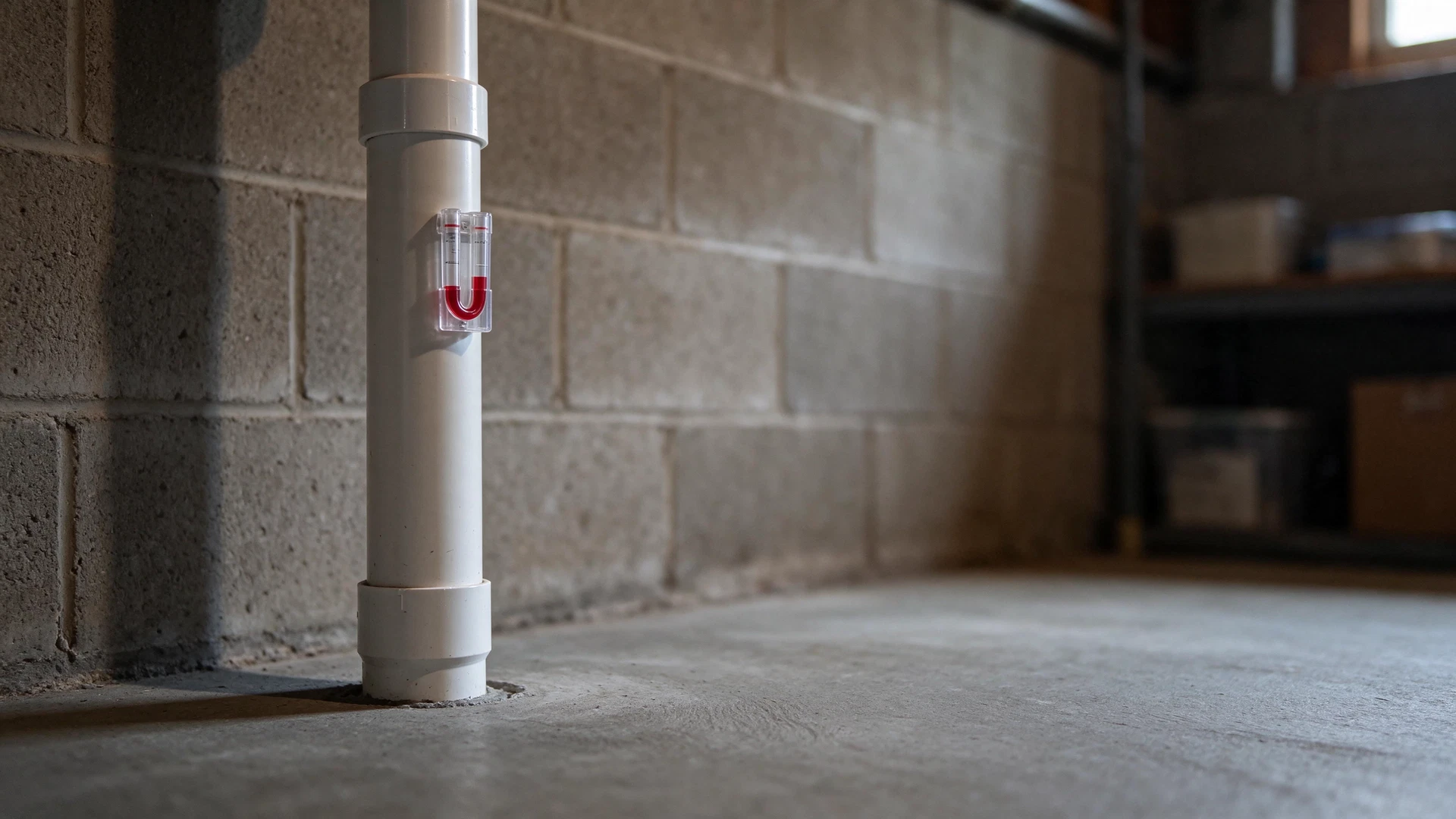
Radon Mitigation in Endicott: What to Check After Installation
Learn what your system indicator can tell you, when to verify radon reduction, and which records to keep after installation.
Read the article4 min read